%2Ffit-in%2F250x250%2Fguide_websites%2F132859%2Fimages%2F1778146579960dustinbusinesslogo.jpg&w=1920&q=100)
Lake Trout and Bull Trout Fishing in Breezy Point
Lake Trout and Bull Trout Fishing - What to Expect
%2F%2Fusers%2F2144ff7f-5abc-4984-8662-2dd736ecc52b%2Fimages%2Fbreezy-point-lake-bull-trout-2758.jpg&w=1920&q=75)
Guided Fishing Trip by Guide Dustin Monson in May
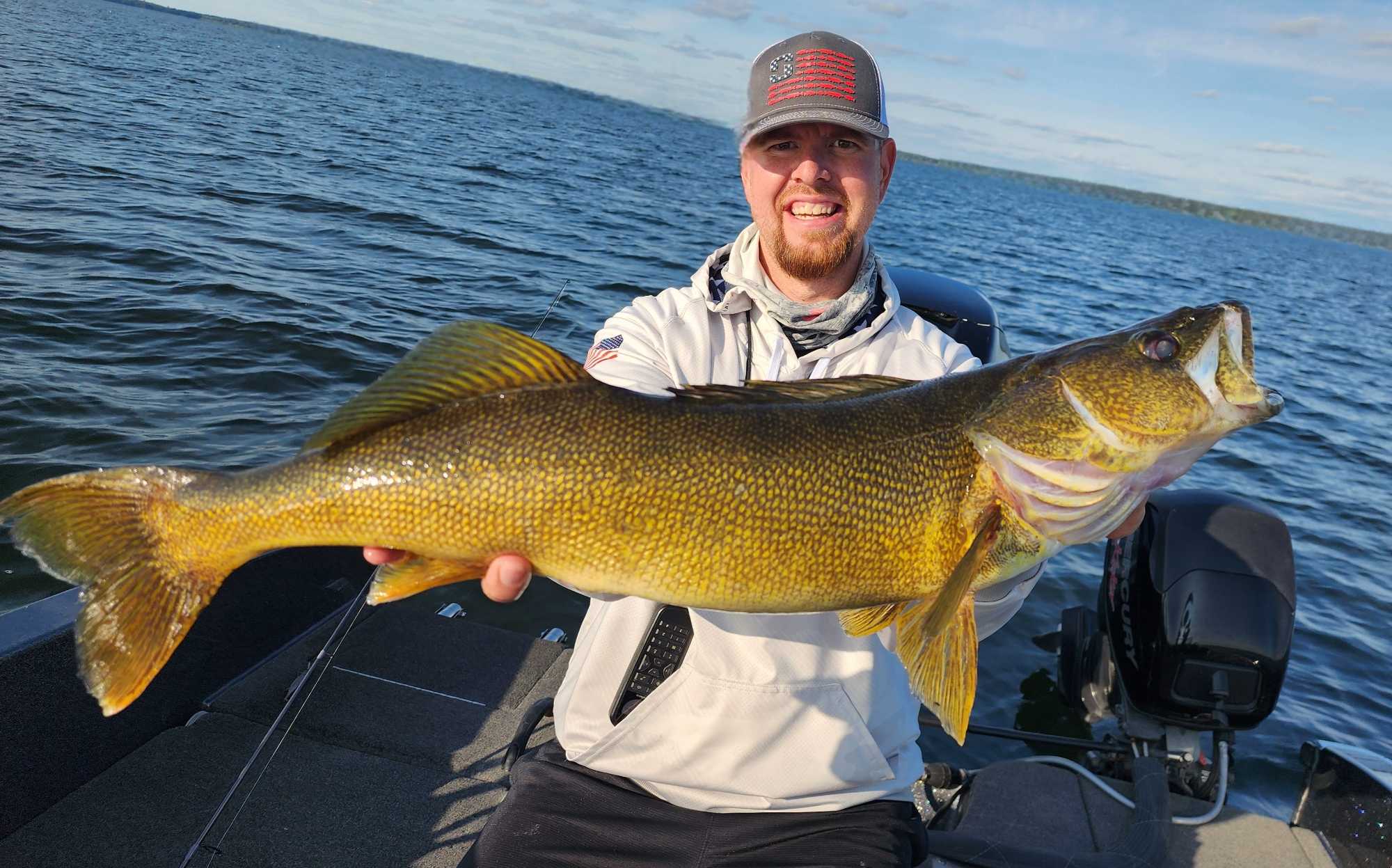
Meet your Guide Dustin Monson
- Guided Walleye Trips Brainerd Lakes


Summary
This guided fishing trip on Wednesday, May 7th showcases a successful day targeting lake trout and bull trout in the Brainerd Lakes region near Breezy Point, Minnesota. Dustin Monson of Hawg Hunterz Guide Service brings years of local expertise to these cold-water fisheries, where anglers pursue both species with precision techniques and insider knowledge of seasonal patterns and prime fishing grounds.
Guided Fishing Trip with Dustin Monson - Rates & Booking
Guide Dustin Monson of Hawg Hunterz Guide Service on Wednesday, May offers expert-led fishing experiences targeting lake trout and bull trout in the Brainerd Lakes system near Breezy Point. With local knowledge built through years of pursuing these premium cold-water species, Dustin specializes in reading structure, understanding seasonal movements, and matching techniques to current conditions. Whether you're a seasoned angler or looking to learn proven methods for these species, this guided trip delivers hands-on instruction from someone who knows these waters intimately. Contact Hawg Hunterz Guide Service for availability, group sizes, and booking details. Reserve your spot today to secure your guided fishing experience.
Highlights of Your Fishing Experience
The Brainerd Lakes region offers exceptional opportunities for lake trout and bull trout throughout the season. Both species thrive in these deep, clean waters, where cooler temperatures and diverse structure create ideal habitat. This guided trip captures what makes the area special: productive fishing on pristine lakes, professional instruction tailored to your skill level, and the genuine excitement of connecting with hard-fighting fish that test your abilities.
Dustin's approach combines traditional techniques with modern understanding of fish behavior and lake conditions. You'll learn how to identify promising structure, select appropriate tackle and presentations, and execute casts with precision. This hands-on experience builds confidence while maximizing your chances of consistent action.
Local Species Insights: Lake Trout and Bull Trout
Lake trout thrive in the deep, cold waters of the Brainerd Lakes system, making this region one of Minnesota's premier destinations for the species. These fish are found at varying depths depending on season and time of day, typically holding near structure such as drop-offs, humps, and deep channels. Lake trout respond well to vertical jigging presentations, trolling along breaklines, and casting to structure in shallower periods. Their willingness to strike consistently makes them rewarding targets, and their hard fight and impressive size create memorable catches.
Bull trout represent a more specialized pursuit in this ecosystem. These aggressive predators inhabit similar deep, cold-water habitat as lake trout but often display more aggressive feeding behavior. Bull trout are less common than their lake trout cousins, making each encounter noteworthy. They respond to larger presentations and often position near complex structure. Successfully targeting bull trout requires understanding their specific habitat preferences and feeding windows, knowledge that separates casual anglers from experienced specialists.
The Brainerd Lakes region's clear water, abundant forage base, and excellent structure create conditions where both species grow to impressive sizes. Seasonal patterns play a significant role in fishing success. Spring and early summer often produce excellent fishing as both species move into more accessible depths during turnover periods. Late summer and fall present different challenges and opportunities, with fish responding to changing food availability and temperature dynamics. Winter fishing attracts dedicated anglers pursuing these species through the ice.
Dustin's expertise extends to understanding how environmental factors influence daily fishing. Wind direction, barometric pressure, water clarity, and time of day all factor into decision-making about where to fish and which techniques to employ. This attention to detail separates successful days from slow ones, and this knowledge transfers directly to you through guided instruction.
Whether you're pursuing lake trout's consistent action or seeking the challenge of bull trout, this fishing experience delivers authentic adventure in one of Minnesota's finest cold-water systems. You'll not only catch fish but develop a deeper appreciation for these species and the ecosystem they inhabit.
Fishing in Brainerd Lakes: Bull Trout and Lake Trout
Bull Trout Overview
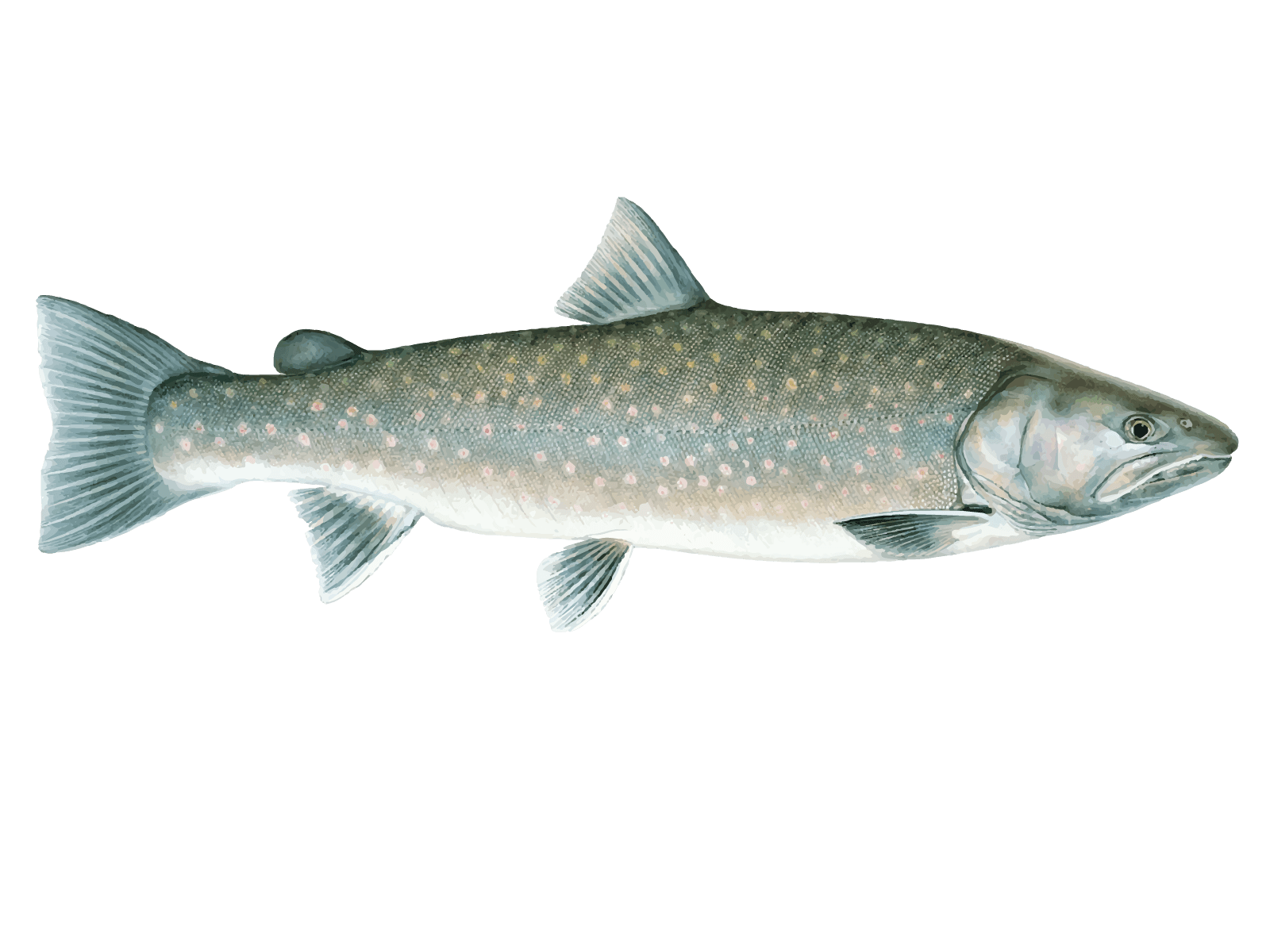
The Bull Trout (Salvelinus confluentus) is a large, impressive char belonging to the Salmonidae family within the order Salmoniformes. This predatory game fish is renowned for its striking appearance, featuring a distinctive larger mouth, olive-green to brown back, silvery sides, and vibrant spots in shades of red, orange, pink, and yellow that intensify during spawning season. Unlike other members of its genus, the bull trout sports a spotless dorsal fin. What makes this species truly special is its role as a sentinel of environmental health—bull trout thrive only in pristine conditions, making them a living indicator of water quality and ecosystem integrity. Found throughout northwestern North America, from Yukon and British Columbia down through Washington, Oregon, Idaho, western Montana, and Alberta, the bull trout represents one of the most rewarding challenges for serious anglers seeking cold-water adventure.
Bull Trout Habitat and Distribution
Bull trout inhabit cold, clear streams, lakes, and medium to large rivers throughout northwestern North America, with populations concentrated in Yukon, British Columbia, Washington, Oregon, Idaho, western Montana, and Alberta. These fish prefer deep pools and slow backwater areas, typically positioning themselves near the bottom of the water column where they can ambush prey. The species has become increasingly rare, appearing on the Endangered Species List with extinct populations in California and presence in only one river system in Nevada. Oregon, Idaho, and Washington populations face significant risk, while Montana populations are considered safe in just 2 percent of the streams they historically inhabited. Bull trout are habitat specialists that require unobstructed waterways, minimal silt, and consistently cold temperatures—conditions that continue to diminish throughout their range.
Bull Trout Size and Weight
Bull trout exhibit impressive growth potential, with typical specimens ranging from 24 to 41 inches in length and weighing between 15 to 32 pounds, depending on habitat quality and food availability. Migratory bull trout—those that travel to larger waterbodies before returning to spawn—consistently grow larger than their resident counterparts that remain in natal streams their entire lives. In ideal conditions, these powerful fish can reach up to 30 inches and weigh around 30 pounds, though trophy specimens occasionally exceed these benchmarks. Growth rates vary considerably based on water temperature, prey availability, and stream productivity, with fish in rich, well-established populations outpacing those in marginal habitats.
Bull Trout Diet and Behavior
As apex predators in their cold-water ecosystems, bull trout are voracious hunters that primarily feed on juvenile or smaller fish species and aquatic insects. Their forward-facing eyes positioned on the upper side of their head provide excellent binocular vision for locating prey above, allowing them to spot potential meals swimming overhead or near the surface. These fish are most active during low-light periods—early morning and evening—when they leave their hiding places to feed aggressively. Bull trout are ambush predators that prefer to station themselves in deep pools and slow-moving backwater areas where they can attack passing prey with explosive speed. During spawning season, males display spectacular coloration that rivals any freshwater fish, while females work tirelessly to construct gravelly nests in clear water. These fascinating fish can live 10 to 12 years in the wild, making them a long-lived species worth protecting.
Bull Trout Spawning or Seasonal Activity
Bull trout spawn in the fall, typically from September through November, with eggs hatching in March or April following a winter incubation period. Females construct gravelly nests in clear water and carefully cover their eggs, demonstrating remarkable maternal behavior uncommon in many fish species. The spawning behavior differs dramatically between resident and migratory populations: resident bull trout remain in their natal streams year-round, never venturing far from where they were born, while migratory bull trout undertake epic journeys to larger lakes or river systems for feeding and overwintering before returning to tributaries for reproduction. This migratory behavior produces notably larger individuals, as the abundant food sources in larger waterbodies support substantial growth. Understanding these seasonal movements is crucial for anglers seeking consistent success and for conservation efforts aimed at protecting critical spawning habitat and migration corridors.
Bull Trout Techniques for Observation or Capture
Spin Casting Method: Equip yourself with a medium-action spinning rod paired with an 8 to 12-pound test reel for optimal control and sensitivity. Bull trout respond exceptionally well to minnows, jigs, crankbaits, spinners, and spoons—use lures that mimic the small fish species naturally found in their habitat. Cast in the early morning or evening hours when these predators are actively feeding, focusing your efforts on deep pools, slow backwater areas, and the floor of the water column where bull trout typically position themselves. Around Idaho and western Montana, explore tributaries and deeper sections of main-stem rivers where current breaks provide ideal hunting grounds.
Float Fishing with Egg Patterns: This proven technique involves drifting egg-imitation flies or patterns through prime holding water. The method works remarkably well during and immediately after spawn, when natural fish eggs are abundant in the water column. Adjust your float depth to keep your offering in the strike zone, and use a 12 to 14-foot leader with weight to ensure proper presentation. This approach requires patience and precise casting, but the rewards are substantial when conditions align.
Fly Fishing Strategy: For serious fly anglers, use a graphite rod in the 6 to 8 weight range matched with an appropriate reel and 12 to 14-foot leader incorporating weight or beadhead flies. Big, bulky streamers are highly effective at triggering strikes from aggressive bull trout, particularly when stripped with active, jerky motions that mimic wounded baitfish. For juvenile bull trout in smaller streams, spey-tackle allows for longer, more controlled casts in tight quarters, while a 6-weight single-hand rod works perfectly when adequate backcasting room is available. Throughout Washington and Oregon populations, focus on spring and fall seasons when migratory fish are actively moving through accessible river systems.
Bull Trout Culinary or Utilization Notes
Bull trout possess average edibility characteristics, offering mild, flaky white flesh that some anglers appreciate when properly prepared. However, given the endangered status of many populations and the species' critical role as an environmental indicator, most conservation-minded anglers practice catch-and-release to preserve dwindling stocks. When populations are healthy and local regulations permit harvest, bull trout should be handled with respect and appreciation for their rarity and the pristine conditions they require. The nutritional profile includes omega-3 fatty acids and quality protein, though the ethical and ecological considerations should weigh heavily in any harvest decision. Check local regulations carefully, as many jurisdictions now prohibit retention entirely.
Bull Trout Frequently Asked Questions
Q: What is the best bait or lure for catching bull trout?
A: Live or fresh minnows are excellent choices for spin casting, along with jigs, crankbaits, spinners, and spoons that mimic natural prey. For fly fishing, big streamers and egg patterns produce exceptional results. Float fishing with egg imitations is particularly effective during spawning season. The key is matching your lure to the natural forage present in your target water.
Q: Where can I find bull trout near major fishing destinations?
A: Bull trout populations are concentrated in northwestern North America, with healthy stocks in British Columbia and Yukon, while populations in Washington, Oregon, Idaho, and Montana are increasingly rare and protected. Many waters have specific regulations or seasonal closures; research your target stream carefully and consult local fishing guides familiar with current population status and legal opportunities.
Q: What makes bull trout such good indicators of water quality?
A: Bull trout require exceptionally clean, cold water with minimal silt and unobstructed stream flow—conditions that are increasingly rare. Their presence indicates a thriving, healthy ecosystem, while their absence often signals environmental degradation. This makes them invaluable for conservation monitoring and watershed assessment.
Q: When is the best time to catch bull trout?
A: Early morning and evening hours produce the most consistent action, as bull trout are ambush predators that prefer low-light conditions for feeding. Spring and fall seasons often coincide with migratory movements, potentially offering better opportunities in accessible river systems. Fall spawning aggregations can concentrate fish in predictable locations, though many regions prohibit harvest during this sensitive period.
Q: Are bull trout good to eat?
A: Bull trout have average edibility with mild, flaky white flesh; however, most anglers practice catch-and-release due to endangered status in many regions. Check local regulations before considering harvest, as numerous jurisdictions prohibit retention entirely to protect remaining populations.
Q: How long do bull trout live?
A: Bull trout typically live 10 to 12 years in the wild, making them a relatively long-lived species that invests considerable time in growth and reproduction. This extended lifespan makes them particularly vulnerable to overfishing and habitat degradation.
Lake Trout Overview
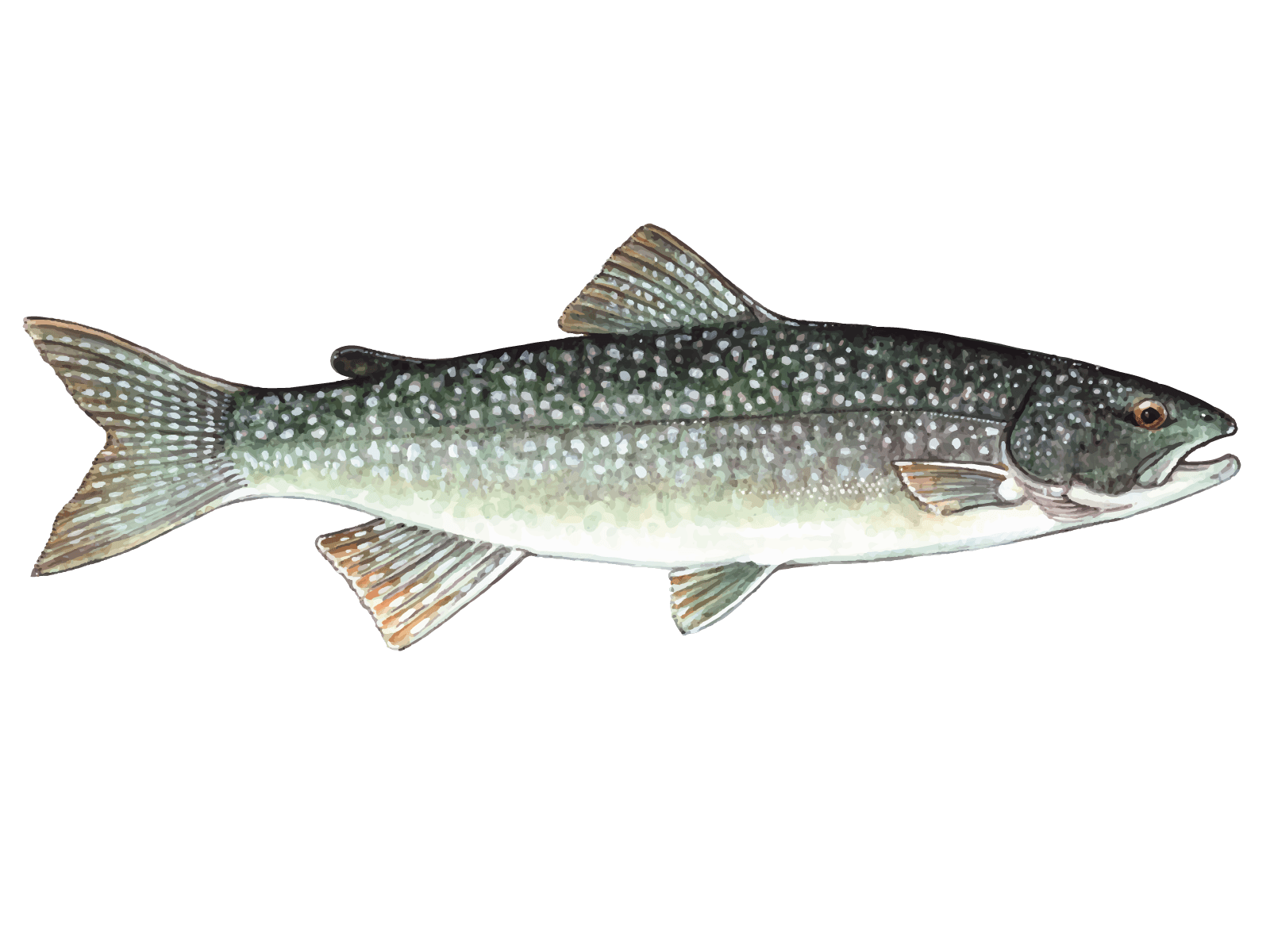
The Lake Trout (Salvelinus namaycush) is the largest member of the char family within the Salmonidae family and Salmoniformes order. These remarkable cold-water fish are distinguished by their grey to green coloring, lighter belly, and striking yellow to cream-colored markings across their body and fins. Lake trout are legendary among anglers for their challenging pursuit in deep, pristine waters and are the only major native game fish to inhabit the deep, cold waters of oligotrophic lakes in northern regions. What makes these fish particularly fascinating is their slow growth rate, late maturation, and notably low reproductive potential compared to other popular game fish species—qualities that make sustainable fishing practices especially important.
Lake Trout Habitat and Distribution
Lake trout are true specialists of cold-water environments and depend critically on high levels of oxygenation to thrive. These fish have a relatively narrow geographic distribution compared to other trout species, though their range is expanding through human introduction. Naturally, they're found throughout the northern reaches of North America, including the Great Lakes region, across Canada, parts of Alaska, and to a lesser extent the northeastern United States. In recent decades, lake trout have been artificially stocked in Europe—particularly in Scandinavian countries like Sweden—as well as in New Zealand, South America, and parts of Asia. Within their native lakes, these fish typically suspend themselves in the middle of the basin at considerable depths, where water temperatures and oxygen levels suit their demanding requirements. During summer months, lake trout in the southern portions of their range retreat to even deeper water where cooler temperatures persist.
Lake Trout Size and Weight
Lake trout are impressive fish and live up to their reputation as the largest char species. Typical catches range from 15 to 40 pounds, with average lengths falling between 24 and 36 inches. Anglers pursuing these deep-water dwellers should know that truly exceptional specimens do exist—the world record for lake trout caught on rod and reel was landed at Great Bear Lake in the Northwest Territories of Canada and weighed an astounding 72 pounds with a length of 52 inches. However, fish in the 25 to 59-inch range with weights between 5 and 15 pounds represent the more commonly encountered sizes for most recreational anglers.
Lake Trout Diet and Behavior
Lake trout are carnivorous predators that feed primarily on smaller fish species and aquatic organisms available in their deep-water environments. These fish are known to be light-sensitive and actively avoid bright conditions, making their feeding behavior most pronounced during overcast days, dawn, dusk, and nighttime hours. Understanding this preference is crucial for successful angling, as lake trout generally feed more frequently when light levels are low. Their behavior is largely driven by water temperature and oxygen availability—factors that dictate where they position themselves throughout the day and across seasons. Interestingly, lake trout can hybridize with brook trout to create a sterile hybrid species called splake, which fisheries managers stock in lakes across North America to provide additional sport fishing opportunities.
Lake Trout Spawning and Seasonal Activity
Spring represents one of the most productive times for targeting lake trout, particularly immediately after ice-out when water temperatures are at their coldest. During this period, fish move to relatively shallower waters compared to their typical deep summer and fall positions, making them more accessible to anglers. As water temperatures warm throughout spring and into summer, lake trout gradually migrate deeper to find the cool, oxygen-rich water layers they require for survival. Fall fishing can also be excellent as cooling water temperatures again draw fish toward shallower zones. Understanding these seasonal movements is essential for planning a successful lake trout expedition, as the same lake can require completely different fishing strategies depending on the time of year.
Lake Trout Techniques for Observation or Capture
Jigging Method: Jigging is the preferred and most effective technique for lake trout due to their deep-water habitat. Employ jigging lures like the Rapala Jigging Rap or lures that imitate wounded baitfish, as these closely mimic the natural prey these fish hunt in the depths. Jig heads fitted with soft plastic paddle tail swimbaits, skirted jigs, and bladed jigging spoons are all excellent choices that produce consistent results. The key is maintaining vertical contact with the lake bottom and working your lure with subtle, controlled movements that trigger strikes from suspended fish.
Trolling with Crankbaits: When targeting lake trout in deeper zones or when they're positioned higher in the water column, trolling with quality crankbaits is highly effective. This method allows you to cover more water and reach the precise depths where fish are holding. Crankbaits can be trolled along deep structure, drop-offs, and basin edges to locate active fish. This technique works particularly well in spring when fish are more distributed and less confined to extreme depths.
Spoon Fishing: Don't overlook traditional spoons when pursuing lake trout. These classic lures remain remarkably effective and can be used both while jigging vertically and while trolling. Spoons are particularly valuable when you're searching for fish across different depth zones, as they're simple to deploy and retrieve while covering water efficiently. Around lakes in northern Canada and the Great Lakes region, local guides often recommend starting with spoons early in the season to establish where fish are positioned.
Lake Trout Culinary and Utilization Notes
Lake trout have earned a reputation as good eating fish with firm, flavorful flesh that appeals to many anglers. The meat has a mild to moderately rich flavor profile and holds up well to various cooking methods including baking, grilling, smoking, and pan-frying. These fish are nutritionally valuable, providing excellent sources of protein and omega-3 fatty acids beneficial for cardiovascular health. However, some regional guidelines recommend limiting consumption of larger specimens due to potential bioaccumulation of environmental contaminants in deep-water ecosystems. Always check local fishing regulations and consumption advisories before harvesting lake trout, as these guidelines vary by lake and region and are designed to ensure both personal safety and sustainable fish populations.
Lake Trout Frequently Asked Questions
Q: What is the best bait or lure for catching lake trout?
A: Jigging is the most effective method, using lures like Rapala Jigging Raps, soft plastic swimbaits on jig heads, bladed jigging spoons, or traditional spoons. These lures best mimic the baitfish and small prey that lake trout hunt in deep water. The specific choice depends on water depth, season, and current fish positioning.
Q: Where can I find lake trout in Canada and the Great Lakes?
A: Lake trout thrive in deep, cold-water lakes throughout Canada, the Great Lakes region, and northern portions of the United States. The Great Lakes themselves—particularly Lakes Michigan, Huron, and Superior—offer excellent populations. In Canada, Great Bear Lake in the Northwest Territories is world-renowned for trophy lake trout fishing. Always consult local fishing reports and regulations for specific lake recommendations in your target region.
Q: When is the best time to fish for lake trout throughout the year?
A: Spring immediately after ice-out is often considered the prime season, as fish move to shallower water in the colder temperatures. However, fall can also be excellent as water cools again. Summer fishing requires targeting deep structures and basin zones where cooler water persists. Timing within the day is equally important—fish during overcast conditions or low-light hours when lake trout feed most actively.
Q: Are lake trout safe and good to eat?
A: Yes, lake trout are considered good eating fish with firm, flavorful meat that works well in many preparations. However, it's important to check local consumption advisories, as some deep-water lakes may have recommendations limiting harvest or consumption, particularly for larger specimens that may accumulate environmental contaminants. Always follow regional guidelines before harvesting.
Q: How deep do lake trout typically stay, and does this affect fishing strategy?
A: Lake trout are deepwater specialists that typically suspend themselves in mid-basin zones and at considerable depths, especially during summer when shallower water warms. This deep habitat is why jigging vertically is the most productive technique. In spring and fall, they move shallower, making them more accessible. Depth finders and sonar are invaluable tools for identifying where fish are positioned at any given time.
Q: Can lake trout be caught in smaller lakes, or do they require massive bodies of water?
A: While lake trout are typically associated with large, deep, cold-water lakes like those in the Great Lakes and Canadian shield regions, they can exist in appropriately sized lakes that meet their specific requirements: sufficient depth, cold water year-round, and adequate oxygen levels. Not all lakes can support lake trout populations, so it's essential to research your target water body before planning a fishing trip. Local fisheries departments can provide detailed information about which lakes in your area support viable lake trout populations.