%2Ffit-in%2F250x250%2Fguide_websites%2F132859%2Fimages%2F1778146579960dustinbusinesslogo.jpg&w=1920&q=100)
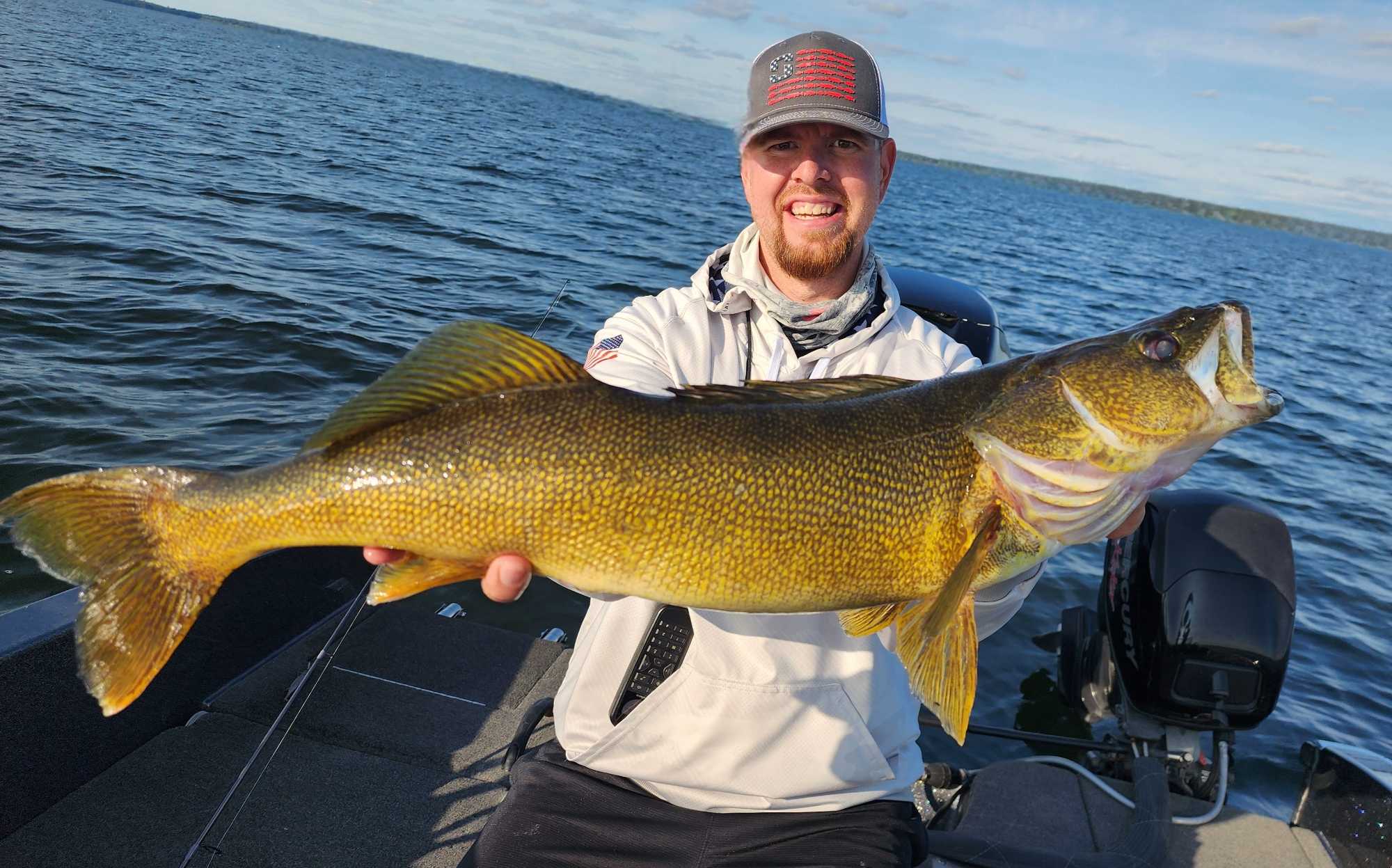
Fresh Yellow Perch Catch in Breezy Point MN
Yellow Perch Fishing in Breezy Point - What to Expect
%2F%2Fusers%2F2144ff7f-5abc-4984-8662-2dd736ecc52b%2Fimages%2Fbreezy-point-yellow-perch-catch-2867.jpg&w=1920&q=75)
Guided Fishing Trip by Guide Dustin Monson in May
Meet your Guide Dustin Monson
- Guided Walleye Trips Brainerd Lakes


Summary
This guided fishing trip on Wednesday, May 7th in Breezy Point showcases the excellent yellow perch fishing available on Brainerd Lakes. Local fishing in this region offers consistent action for panfish species throughout the season, making it an ideal destination for anglers seeking productive days on the water.
Guided Fishing with Dustin Monson of Hawg Hunterz Guide Service - Rates & Booking
Guide Dustin Monson of Hawg Hunterz Guide Service led this guided fishing trip on Wednesday, May 7th, focusing on yellow perch and panfish in the Brainerd Lakes area. With local expertise in the Breezy Point region, this guide specializes in connecting anglers with consistent fishing opportunities throughout the season. To book your guided fishing adventure or learn about available rates and packages, contact Hawg Hunterz Guide Service directly to reserve your date on the water.
Highlights of Breezy Point Yellow Perch Fishing
The Brainerd Lakes system is known for abundant yellow perch populations that provide excellent action for anglers of all skill levels. Fresh catches like those shown here represent the quality fishing available when targeting these prolific panfish species. The lakes around Breezy Point offer diverse structure and depth ranges that hold yellow perch throughout the day, making guided trips highly productive for consistent results.
Local Species Insights: American Yellow Perch
American yellow perch are one of the most abundant and accessible panfish species in northern Minnesota lakes like those around Breezy Point. These fish thrive in cool, clean water and are typically found in schools, making them an excellent target for anglers seeking consistent action and good numbers. Yellow perch are highly visual predators that respond well to small lures, live bait, and jigging techniques, which is why they're a favorite for both recreational and guide-led fishing trips.
Yellow perch demonstrate predictable behavior patterns based on seasonal changes and water temperature. During spring and early summer months like May, perch actively feed in shallow to mid-depth areas where they hunt small baitfish and aquatic insects. They tend to congregate near underwater structures such as weed beds, drop-offs, and rocky areas where they can ambush prey. Understanding these habitat preferences helps guides like Dustin Monson position anglers in productive zones where encounters with feeding fish become highly likely.
The Brainerd Lakes region provides ideal conditions for yellow perch populations due to its combination of suitable water chemistry, abundant food sources, and diverse structural elements. The lakes maintain the cool water temperatures these species prefer, and the interconnected lake system allows for extensive exploration and multiple fishing opportunities throughout a guided trip. Local knowledge of which lakes and specific areas hold the most active perch at different times of day significantly increases success rates on the water.
Yellow perch are also known for their palatability, making them a popular choice for anglers interested in catch-and-keep fishing. The species provides excellent table fare, and many guides include fish cleaning services or advice for proper care and preparation. This combination of abundant populations, predictable behavior, consistent availability, and quality as table fare makes yellow perch one of the most rewarding panfish species to target on Minnesota lakes.
Plan Your Breezy Point Fishing Day
A guided fishing trip on Brainerd Lakes typically focuses on locating schools of yellow perch and other panfish species using proven techniques and local knowledge. Guide-led trips allow anglers to learn effective methods such as vertical jigging, live bait presentations, and seasonal location strategies specific to this region. The combination of expert guidance, local lake knowledge, and direct instruction makes these trips ideal for both beginning and experienced anglers seeking productive time on the water.
Fishing in Brainerd Lakes: American Yellow Perch

American Yellow Perch Overview
The American Yellow Perch (Perca Flavescens) is one of the most accessible and exciting freshwater fish species belonging to the order Perciformes and family Percidae. These vibrant, golden-yellow fish are beloved by anglers across North America for their abundance, spirited fight, and delicious table fare. With their distinctive vertical bar patterns, two dorsal fins, and sharp teeth, yellow perch are instantly recognizable to anyone who spends time on the water. What makes them truly special is their reputation as one of the easiest fish to catch in all seasons—a distinction that has made them a cornerstone of recreational fishing culture, particularly around the Great Lakes region where they comprise approximately 85% of sport fish catches in Lake Michigan.
Yellow perch are schooling fish, meaning you'll often find groups of 200 or more swimming together, which creates exciting opportunities for productive fishing sessions. Their accessibility to anglers of all skill levels, combined with their widespread distribution throughout the Northeast and Great Lakes, has earned them common names like American perch and lake perch, cementing their place in the hearts of outdoor enthusiasts everywhere.
American Yellow Perch Habitat and Distribution
These perch thrive in cool, vegetated freshwater environments including ponds, lakes, creeks, and slow-flowing rivers. They show a strong preference for heavily vegetated waters among reeds, weeds, docks, and submerged structures where they can hunt and hide from predators. Interestingly, yellow perch can also tolerate brackish water, demonstrating their adaptability to varying environmental conditions.
Geographically, the American Yellow Perch is found throughout an impressive range spanning the rivers of the Atlantic and Arctic Oceans, the entire Great Lakes system, the Mississippi River basin, and the majority of the Northeast United States and parts of Canada. During spring, you may encounter large schools of these fish congregating near shorelines as they prepare for spawning season. This predictable seasonal behavior makes spring an ideal time for anglers seeking consistent action with these schooling fish.
American Yellow Perch Size and Weight
While the largest recorded American Yellow Perch specimens reach an impressive 20 inches, most catches fall into the more modest but still exciting range of 7.5 inches and around 2 pounds. The typical size range you'll encounter spans from 1 to 10 inches, with weights generally falling between 1 and 4 pounds. Don't let their modest average size fool you—yellow perch fight with surprising vigor for their size, making them entertaining opponents on light spinning equipment. Their small to medium stature also makes them perfect for beginners and young anglers learning to develop their fishing skills.
American Yellow Perch Diet and Behavior
American Yellow Perch are opportunistic feeders with diverse palates. They consume a wide variety of invertebrates including insects, mollusks, chitons, snails, and worms, along with small fish and squid. Their large number of sharp teeth makes them efficient predators, and their overlapping, comb-like scales give them a rough texture that helps protect them in their densely vegetated habitats.
These fish exhibit strong schooling behavior, a characteristic that anglers can exploit for success. When you locate one yellow perch, you've likely found an entire school nearby. This behavior pattern means your fishing success can escalate rapidly once you identify productive holding areas. Yellow perch are also relatively aggressive feeders throughout the year, responding well to both live bait and artificial lures, which contributes to their reputation as year-round fishing prospects.
In the Northeastern United States, yellow perch serve as an extremely important food source for wildlife. Cormorants specifically target them as primary prey, while eagles, gulls, hawks, and numerous other bird species also hunt them regularly. However, juvenile yellow perch face particularly high predation pressure, resulting in low survival rates among young fish—a natural population control mechanism that helps maintain ecological balance in their ecosystems.
American Yellow Perch Spawning and Seasonal Activity
Yellow perch exhibit predictable spawning behavior that typically occurs in spring when water temperatures rise above 36 degrees Fahrenheit. This spawning activity usually takes place at night or during early morning hours along shorelines, creating a fascinating natural spectacle for observant anglers and wildlife enthusiasts. During this period, females extrude their eggs in long ribbon-like structures that are draped along submerged vegetation, dead branches, and partially submerged trees.
Once females have released their eggs, groups of male yellow perch immediately follow and fertilize them, ensuring genetic diversity within the population. This synchronized reproductive behavior often results in concentrated groups of fish near spawning habitat during spring months, providing exceptional fishing opportunities for knowledgeable anglers. Understanding these seasonal patterns allows you to time your fishing trips for maximum success during peak activity periods.
American Yellow Perch Techniques for Observation or Capture
Light Spinning Equipment Strategy: To effectively target American Yellow Perch, equip yourself with an ultralight spinning or spin-cast combo spooled with 2-4 pound monofilament line. This light setup provides the sensitivity needed to detect subtle perch bites while offering enough power to handle multiple fish from schooling situations. Cast around heavy vegetation, dock pilings, and submerged structures where perch congregate.
Live Bait Method: Most successful yellow perch catches utilize live bait presentations. You simply cannot go wrong with minnows, leeches, or worms—these traditional baits consistently produce excellent results. However, the beauty of perch fishing lies in its versatility; you can use almost any small insect, fish, or fish parts as bait. Fish these baits near the bottom or suspended around vegetation during spring and early summer. Around the Great Lakes region, anglers often find their best success by drifting live minnows along drop-offs during mid-to-late spring when perch are most active.
Artificial Lure Approach: If you prefer working with artificial lures, small jigs, spinners, and jigging spoons prove highly effective for yellow perch. These lures excel when worked vertically around structure or cast and retrieved through vegetation. The key is maintaining contact with the bottom where perch often rest, then working your lure with subtle twitches to trigger aggressive strikes. Experiment with different lure colors and weights until you find what the local fish prefer on any given day.
American Yellow Perch Culinary and Utilization Notes
American Yellow Perch are excellent eating fish with good odds for both capture and culinary enjoyment. Their flesh is firm, white, and mild-flavored, making them popular targets for anglers who value both sport and table fare. Yellow perch are particularly valued in the Northeastern United States as both a recreational species and food source. Their size makes them ideal for pan-frying whole or filleting for a variety of preparations, and they're mild enough to appeal to both adventurous eaters and those preferring delicate fish flavors.
From a sustainability perspective, yellow perch populations remain robust across most of their range, particularly in the Great Lakes system, making them a responsible choice for anglers interested in keeping fish for consumption. The species' abundance and consistent availability throughout the year make them a cornerstone of regional fishing culture and culinary tradition.
American Yellow Perch Frequently Asked Questions
Q: What is the best bait for catching American Yellow Perch?
A: Live bait consistently outperforms other options. Minnows, leeches, and worms are the top choices, but yellow perch will readily strike small insects, fish parts, and even squid. The key is presenting small baits near the bottom around vegetation and structure where perch naturally congregate. Match your bait size to the available forage in your local waters for best results.
Q: Where can I find American Yellow Perch near the Great Lakes region?
A: Yellow perch thrive throughout the Great Lakes system, particularly in Lake Michigan where they comprise approximately 85% of sport fish catches. Look for them in vegetated areas near shorelines, around docks, submerged structures, and among reed beds during spring. During other seasons, explore deeper drop-offs and channel areas where schools congregate to feed.
Q: What fishing gear should I use for American Yellow Perch?
A: An ultralight spinning or spin-cast combo spooled with 2-4 pound monofilament line is ideal. This light setup provides excellent sensitivity for detecting subtle bites while maintaining enough power to handle multiple fish from active schools. Pair this with small jigs, spinners, jigging spoons, or live bait rigs depending on your preferred fishing method.
Q: When is the best time to catch American Yellow Perch?
A: Spring is exceptional when water temperatures rise above 36 degrees and fish congregate near shorelines for spawning. Early morning and nighttime hours during spring offer peak activity. However, yellow perch are one of the easiest fish to catch in all seasons, so don't overlook summer, fall, and winter opportunities when properly equipped and fishing appropriate depths.
Q: Is American Yellow Perch good to eat?
A: Yes, absolutely! Yellow perch are excellent table fare with firm, white, mild-flavored flesh. They're popular in Northeastern United States cuisine and are often pan-fried whole or filleted for various preparations. Their sustainable population levels across most of their range, particularly in the Great Lakes, make them a responsible choice for anglers interested in keeping fish for consumption.
Q: Why are American Yellow Perch easier to catch than other fish species?
A: Several factors contribute to their accessibility. Their schooling behavior means finding one fish often leads to finding many. They're aggressive feeders with diverse diets that respond to various baits and lures. Their abundance across multiple habitat types—lakes, rivers, ponds, and even brackish waters—provides numerous fishing opportunities. Additionally, their relatively small size and willingness to strike make them perfect for beginners and experienced anglers alike seeking consistent action year-round.